Top attractions in Paris
Top Attractions in Paris
-
There are so many things to see and do in Paris. Museums for every interest, art galleries, palaces, iconic monuments like the Arc de Triomphe and the Eiffel Tower, and scores of gardens and parks—you will absolutely be spoilt for choice. Everyone has their own list of ‘must-see’ highlights, which depends on one’s personal interests. For first-time visitors, or those new to the city, we have compiled a list of the most popular things to see and do in Paris.
There are so many things to see and do in Paris. Museums for every interest, art galleries, palaces, iconic monuments like the Arc de Triomphe and the Eiffel Tower, and scores of gardens and parks—you will absolutely be spoilt for choice. Everyone has their own list of ‘must-see’ highlights, which depends on one’s personal interests. For first-time visitors, or those new to the city, we have compiled a list of the most popular things to see and do in Paris.
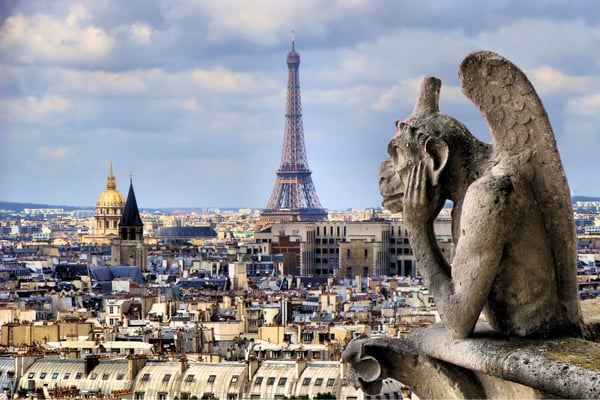
Musée du Louvre
-
Not surprisingly, the Louvre Museum is at the top of our list, as the largest and most visited museum in France. The Louvre has a staggering collection of pieces; the most famous being the Mona Lisa and Venus de Milo. A large collection of art from predominantly French painters, but also Italian and other European masters. Sculpture and artifacts from ancient Egypt, Greece, Rome, and the Near East, including Islamic art.
-
You should decide what interests you most, as you will not manage to see the whole museum in one visit – even if you try to look at every piece! (See our Louvre pages for visiting information.)
Not surprisingly, the Louvre Museum is at the top of our list, as the largest and most visited museum in France. The Louvre has a staggering collection of pieces; the most famous being the Mona Lisa and Venus de Milo. A large collection of art from predominantly French painters, but also Italian and other European masters. Sculpture and artifacts from ancient Egypt, Greece, Rome, and the Near East, including Islamic art.
You should decide what interests you most, as you will not manage to see the whole museum in one visit – even if you try to look at every piece! (See our Louvre pages for visiting information.)
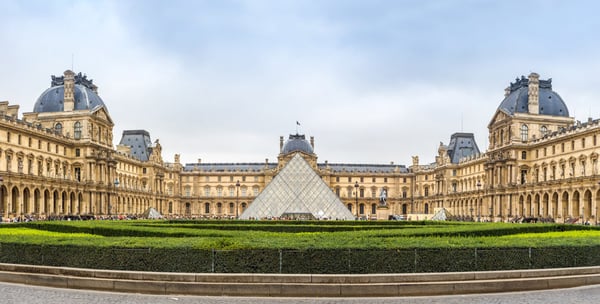
Musée d’Orsay
-
If Impressionist art is your thing, then the Musée d’Orsay is a must-see. Housed in a converted railway station, the former Gare d’Orsay, is a spectacular collection of 19th and 20th-century art. You will find work from all of the impressionist masters displayed in the spacious galleries. From the classics to high impressionist painters: Degas, Manet, Renoir, and Monet to Cézanne, van Gogh, and Toulouse Lautrec. Among the most prized pieces are Monet’s Poppy Field and van Gogh’s Self-Portrait and Starry Night.
-
Why not splash out and enjoy a gastronomic treat at the museum’s elegant restaurant, a former luxury hotel with gilded ceilings.
If Impressionist art is your thing, then the Musée d’Orsay is a must-see. Housed in a converted railway station, the former Gare d’Orsay, is a spectacular collection of 19th and 20th-century art. You will find work from all of the impressionist masters displayed in the spacious galleries. From the classics to high impressionist painters: Degas, Manet, Renoir, and Monet to Cézanne, van Gogh, and Toulouse Lautrec. Among the most prized pieces are Monet’s Poppy Field and van Gogh’s Self-Portrait and Starry Night.
Why not splash out and enjoy a gastronomic treat at the museum’s elegant restaurant, a former luxury hotel with gilded ceilings.
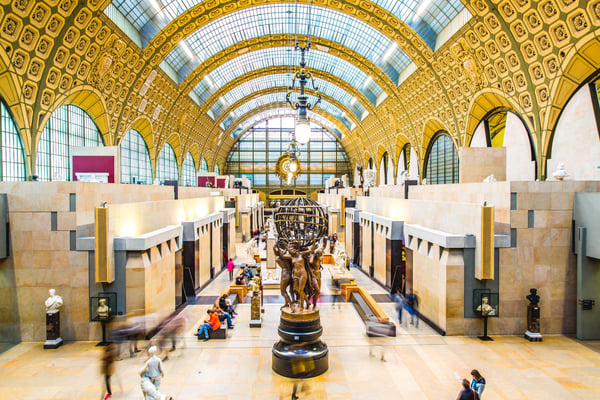
Versailles Palace
-
The Château de Versailles was the official residence of the kings and queens of France from the 17th century to the French Revolution. Not only is it one of the most famous palaces worldwide and a UNESCO heritage site, but the palace also has luxurious decoration, magnificent architecture, almost 2,000 acres of gardens, and is of great significance in the history of France.
-
The palace became the seat of government and the courts after the French Revolution and was the place where the armistice of the First World War (the Versailles Treaty) was signed. Today, it is a museum to the history of France and a cultural treasure.
-
The Royal Palace of Versailles is only 20 kilometers from Paris and is easy to get to with direct trains on the RER (line C) or the SNCF train from Gare Montparnasse and Gare Saint-Lazare.
-
Many visitors opt for a guided tour of the palace, which is stress-free and includes transportation from Paris, entrance tickets, and a visit to the royal apartments and galleries with a knowledgeable guide. There are numerous options available: tours of the palace with free time in the gardens, or tours of the gardens with free time in the palace; you can even take bike tours to the château and cycle around the grounds. Paris day trips often include a visit to the Château de Versailles.
The Château de Versailles was the official residence of the kings and queens of France from the 17th century to the French Revolution. Not only is it one of the most famous palaces worldwide and a UNESCO heritage site, but the palace also has luxurious decoration, magnificent architecture, almost 2,000 acres of gardens, and is of great significance in the history of France.
The palace became the seat of government and the courts after the French Revolution and was the place where the armistice of the First World War (the Versailles Treaty) was signed. Today, it is a museum to the history of France and a cultural treasure.
The Royal Palace of Versailles is only 20 kilometers from Paris and is easy to get to with direct trains on the RER (line C) or the SNCF train from Gare Montparnasse and Gare Saint-Lazare.
Many visitors opt for a guided tour of the palace, which is stress-free and includes transportation from Paris, entrance tickets, and a visit to the royal apartments and galleries with a knowledgeable guide. There are numerous options available: tours of the palace with free time in the gardens, or tours of the gardens with free time in the palace; you can even take bike tours to the château and cycle around the grounds. Paris day trips often include a visit to the Château de Versailles.
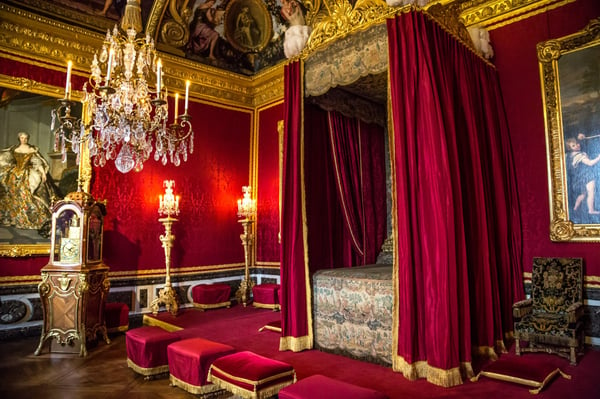
Notre-Dame Cathedral
-
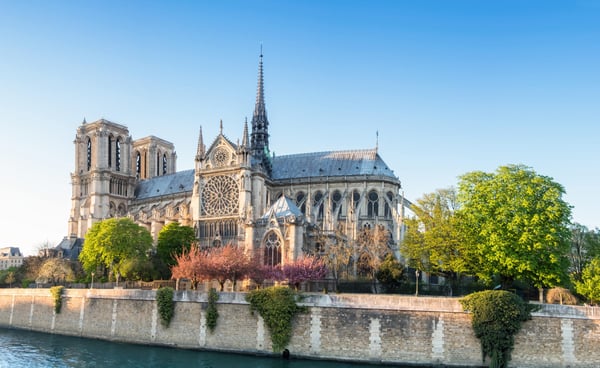
Notre-Dame or ‘Our Lady’ stands on an island in the Seine, the Île-de-la-Cité, which marks the geographical and historical center of the City. This is where the Romans founded Lutetia (Roman Paris).
-
Started in 1163 by King Louis IX, it would take over 150 years to complete. The cathedral is a gothic masterpiece, originally in early gothic style and finished in high gothic with a revolutionary design using beams or ‘flying buttresses’ to support the huge structure. The façade is fantastically detailed, including the gargoyles that were intended to drain rainwater from the building and stop water marks. Inside, the stark, grey, Gothic space is brought to life by the beautifully colored stained-glass windows. The interior is literally bathed in a rainbow when the sun shines.
-
The cathedral is closed for the foreseeable future after it was badly damaged by fire in 2019. The medieval roof and 19th-century tower were destroyed; luckily, the building's interior was saved by its stone roof. We look forward to the Cathedral reopening, currently estimated in 2024.
Notre-Dame or ‘Our Lady’ stands on an island in the Seine, the Île-de-la-Cité, which marks the geographical and historical center of the City. This is where the Romans founded Lutetia (Roman Paris).
Started in 1163 by King Louis IX, it would take over 150 years to complete. The cathedral is a gothic masterpiece, originally in early gothic style and finished in high gothic with a revolutionary design using beams or ‘flying buttresses’ to support the huge structure. The façade is fantastically detailed, including the gargoyles that were intended to drain rainwater from the building and stop water marks. Inside, the stark, grey, Gothic space is brought to life by the beautifully colored stained-glass windows. The interior is literally bathed in a rainbow when the sun shines.
The cathedral is closed for the foreseeable future after it was badly damaged by fire in 2019. The medieval roof and 19th-century tower were destroyed; luckily, the building's interior was saved by its stone roof. We look forward to the Cathedral reopening, currently estimated in 2024.
Eiffel Tower
-
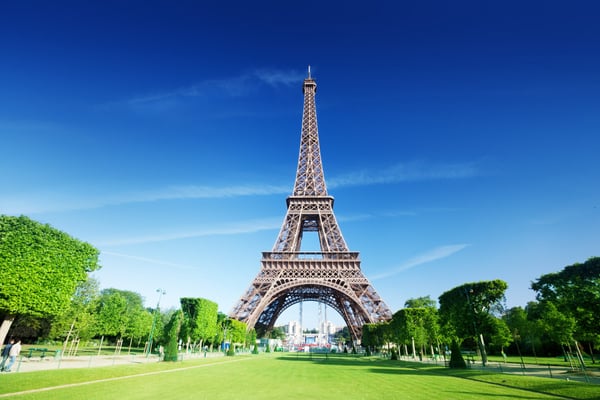
The Eiffel Tower or la Tour Eiffel is undeniably the icon of Paris and one of the most visited tourist attractions in the world. Standing at a staggering 324 meters in height, it was the world’s tallest building until the Empire State Building was unveiled. Entirely made of iron, the tower consists of 18,000 pieces and weighs over 10,000 tons. It was designed by Alexandre-Gustave Eiffel for the Paris Exhibition of 1889 and was to commemorate the centenary of the French Revolution.
-
Today it is considered an architectural marvel, not to mention an emblem of Paris. Perhaps surprising then, that it was widely regarded as a monstrosity when it was inaugurated.
-
Visitors can climb to the top in two stages (over 700 steps) or take elevators to the top. The views of the Eiffel from the highest platform are truly breathtaking. If you find yourself a bit peckish after all that climbing, you can savor the view for longer from Le Jules Verne restaurant whilst sampling some Michelin-star fine dining.
The Eiffel Tower or la Tour Eiffel is undeniably the icon of Paris and one of the most visited tourist attractions in the world. Standing at a staggering 324 meters in height, it was the world’s tallest building until the Empire State Building was unveiled. Entirely made of iron, the tower consists of 18,000 pieces and weighs over 10,000 tons. It was designed by Alexandre-Gustave Eiffel for the Paris Exhibition of 1889 and was to commemorate the centenary of the French Revolution.
Today it is considered an architectural marvel, not to mention an emblem of Paris. Perhaps surprising then, that it was widely regarded as a monstrosity when it was inaugurated.
Visitors can climb to the top in two stages (over 700 steps) or take elevators to the top. The views of the Eiffel from the highest platform are truly breathtaking. If you find yourself a bit peckish after all that climbing, you can savor the view for longer from Le Jules Verne restaurant whilst sampling some Michelin-star fine dining.
Arc de Triomphe
-
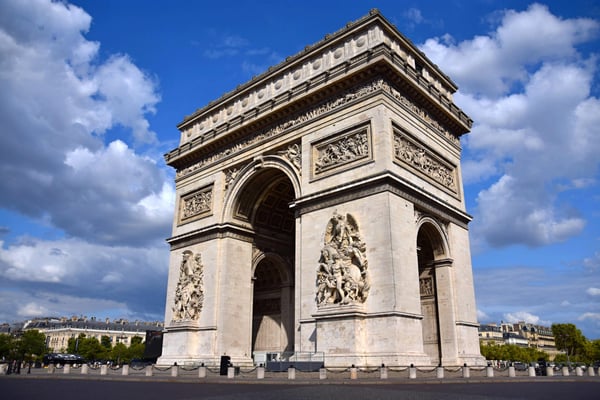
This gigantic arch with larger-than-life figures and bas-reliefs was commissioned by Napoleon in 1806 and dedicated to the Napoleon soldiers who fought in the French armies of the Revolution and the Napoleonic wars. Although Napoleon didn’t live to see the arch, it remains one of the icons of Paris today.
-
Inspired by the Arch of Titus in Rome, the Arc de Triomphe is also a victory arch. Its figures and decoration recall the departure and return of the victorious armies. The inside of the arch is inscribed with the names of more than 660 generals and over 100 battles. It is also a war memorial to the First World War, with the Tomb of the Unknown Soldier and the flame of remembrance at the foot of the arch.
This gigantic arch with larger-than-life figures and bas-reliefs was commissioned by Napoleon in 1806 and dedicated to the Napoleon soldiers who fought in the French armies of the Revolution and the Napoleonic wars. Although Napoleon didn’t live to see the arch, it remains one of the icons of Paris today.
Inspired by the Arch of Titus in Rome, the Arc de Triomphe is also a victory arch. Its figures and decoration recall the departure and return of the victorious armies. The inside of the arch is inscribed with the names of more than 660 generals and over 100 battles. It is also a war memorial to the First World War, with the Tomb of the Unknown Soldier and the flame of remembrance at the foot of the arch.
Champs Elysees
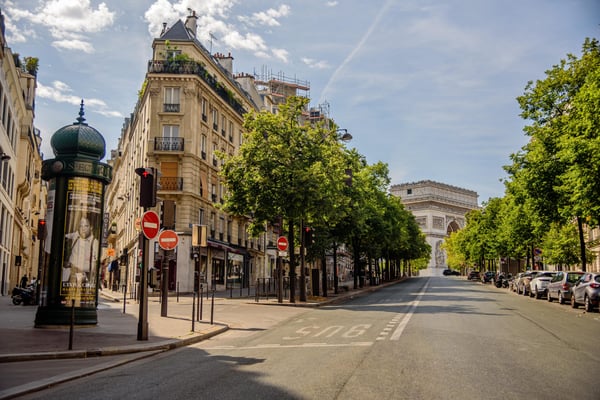
Probably the most famous street in Paris, the Champs Elysees is a broad tree lined avenue that intersects the city running from Place du Concorde in the east to Place Charles de Gaulle and the Arc de Triomphe in the west. Located in the 8th arrondissement, the mile long street is famed for theatres, cafes and luxury shops like Tiffany & Co, Louis-Vuitton and Cartier. The wide avenue hosts national parades on Bastille Day and of course, the end stage of the famous cycle race the Tour de France.
This is the place to soak up the elegance of Paris, why not visit a prestigious 18th century teahouse and patisserie Maison Laduree famous for its macaroons or macaron. A great place to stop for a bit of Parisian peoplewatching.
-
Looming over 50 meters in height, the arch affords spectacular views from the viewing platform at the top, which has panoramic views over the 12 avenues radiating from place de l'etoile across to Montmartre and the Eiffel Tower. Tickets are available online.
The Catacombs
The Catacombs of Paris are famed for their macabre tunnels with walls lined with skulls and bones, but with over 6,000 bodies, they are actually the largest catacombs in the world. The tunnels were originally limestone quarries that were abandoned in the 13th century, they became cemeteries in the 18th century. The swelling population of Paris meant that cemeteries had become overcrowded.
In 1780 after a season of heavy rains and floods, burials at Les Innocents were uprooted and sent crashing in waves through the city. The decision was taken to move the cemetery contents to the tunnels, a mammoth task, completed in stages which took over 12 years. The site was consecrated Paris Municipal Ossuary in 1786 and opened to the public in 1809.
A visit to the catacombs is a spooky underground experience that runs 1.5 kilometres under the city, through dimly lit, dank, corridors. Don’t worry about getting lost as there are street signs below to tell you where you are in the land of the living above!
Official Site: https://www.catacombes.paris.fr/en
Seine River Cruises
A relaxing way to take in the sights and see Paris from a different perspective is to take a boat cruise along the Seine River. Sailing past the Eiffel Tower, Arc de Triomphe and Notre Dame is a wonderful way to see the city. There are numerous options available ranging from short daytime and evening sightseeing cruises to the more luxurious lunch or dinner cruises.
Avenue des Champs-Élysées
-
Probably the most famous street in Paris, the Avenue des Champs-Élysées is a broad tree-lined avenue that intersects the city, running from Place de la Concorde in the east to Place Charles de Gaulle and the Arc de Triomphe in the west. Located in the 8th arrondissement, the mile-long street is famed for theatres, cafes, and luxury shops like Tiffany & Co., Louis Vuitton, and Cartier. The wide avenue hosts national parades on Bastille Day and, of course, the end stage of the famous cycle race, the Tour de France.
-
This is the place to soak up the elegance of Paris; why not visit a prestigious 18th-century teahouse and patisserie, Maison Ladurée, famous for its macaroons or macarons? A great place to stop for a bit of Parisian people-watching.
Probably the most famous street in Paris, the Avenue des Champs-Élysées is a broad tree-lined avenue that intersects the city, running from Place de la Concorde in the east to Place Charles de Gaulle and the Arc de Triomphe in the west. Located in the 8th arrondissement, the mile-long street is famed for theatres, cafes, and luxury shops like Tiffany & Co., Louis Vuitton, and Cartier. The wide avenue hosts national parades on Bastille Day and, of course, the end stage of the famous cycle race, the Tour de France.
This is the place to soak up the elegance of Paris; why not visit a prestigious 18th-century teahouse and patisserie, Maison Ladurée, famous for its macaroons or macarons? A great place to stop for a bit of Parisian people-watching.
The Catacombs
-
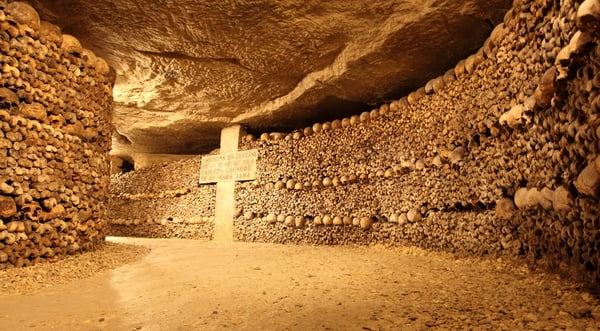
The Catacombs of Paris are famed for their macabre tunnels with walls lined with skulls and bones. With over 6,000 bodies, they are actually the largest catacombs in the world. The tunnels were originally limestone quarries that were abandoned in the 13th century, and they became cemeteries in the 18th century. The swelling population of Paris meant that cemeteries had become overcrowded.
-
In 1780, after a season of heavy rains and floods, burials at Les Innocents were uprooted and sent crashing in waves through the city. The decision was taken to move the cemetery contents to the tunnels, a mammoth task, completed in stages, which took over 12 years. The site was consecrated as the Paris Municipal Ossuary in 1786 and opened to the public in 1809. A visit to the catacombs is a spooky underground experience that runs 1.5 kilometers under the city, through dimly lit, dank corridors.
The Catacombs of Paris are famed for their macabre tunnels with walls lined with skulls and bones. With over 6,000 bodies, they are actually the largest catacombs in the world. The tunnels were originally limestone quarries that were abandoned in the 13th century, and they became cemeteries in the 18th century. The swelling population of Paris meant that cemeteries had become overcrowded.
In 1780, after a season of heavy rains and floods, burials at Les Innocents were uprooted and sent crashing in waves through the city. The decision was taken to move the cemetery contents to the tunnels, a mammoth task, completed in stages, which took over 12 years. The site was consecrated as the Paris Municipal Ossuary in 1786 and opened to the public in 1809. A visit to the catacombs is a spooky underground experience that runs 1.5 kilometers under the city, through dimly lit, dank corridors.
Seine River Cruises
-
A relaxing way to take in the sights and see Paris from a different perspective is to take a boat cruise along the Seine River. Sailing past the Eiffel Tower, Arc de Triomphe, and Notre Dame is a wonderful way to see the city. There are numerous options available ranging from short daytime and evening sightseeing cruises to the more luxurious lunch or dinner cruises.
A relaxing way to take in the sights and see Paris from a different perspective is to take a boat cruise along the Seine River. Sailing past the Eiffel Tower, Arc de Triomphe, and Notre Dame is a wonderful way to see the city. There are numerous options available ranging from short daytime and evening sightseeing cruises to the more luxurious lunch or dinner cruises.
Moulin Rouge
-
Take in a show at the Moulin Rouge, the most famous dance hall in Paris. Founded at the end of the 19th century, the music hall offered musical entertainment to an international clientele, including many famous artists and writers.
-
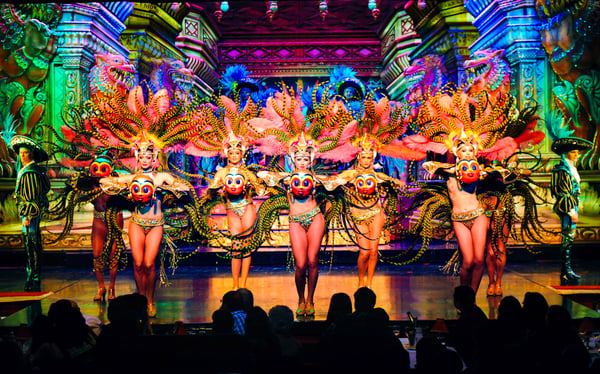
Moulin Rouge is the home of cabaret and the birthplace of the legendary can-can dance, originally performed by courtesans. You can enjoy dinner and a show, just the show, or a matinee. Be prepared for astounding costumes with sequins galore, not to mention the famous high kicks!
Take in a show at the Moulin Rouge, the most famous dance hall in Paris. Founded at the end of the 19th century, the music hall offered musical entertainment to an international clientele, including many famous artists and writers.
Moulin Rouge is the home of cabaret and the birthplace of the legendary can-can dance, originally performed by courtesans. You can enjoy dinner and a show, just the show, or a matinee. Be prepared for astounding costumes with sequins galore, not to mention the famous high kicks!